A cat's claws grow the way yours do, continuously, in a curve, and with a difference: cats shed the outer sheath and keep the point sharp on purpose. Outdoors, climbing and rough ground wear the tips. Indoors, on carpet and upholstery, they do not wear at all, so the claw keeps its needle tip and adds a hook as it grows. The results are familiar to every cat owner: claws clicking on hard floors, snagging on blankets, getting stuck in the scratching post carpet mid-stretch, and, in senior cats whose claws thicken and retract poorly, growing in a full circle toward the paw pad.
Nail care for cats is therefore maintenance, not cosmetics, and it comes in two main forms: the trim, and the cap.
| Option | What it does | How long it lasts | Best for |
|---|---|---|---|
| Regular nail trims | Removes the sharp hooked tip, keeping the claw itself | 2-4 weeks per trim | Every cat; the baseline of claw care |
| Soft paw caps | Blunt vinyl caps glued over trimmed claws | 4-6 weeks, shed with natural claw growth | Furniture protection, thin-skinned owners, multi-pet peace treaties |
| Scratching posts and pads | Gives claw maintenance and marking a legal address | Ongoing habit, not a schedule | All cats; works best when placed where the cat already scratches |
| Declawing | Surgical amputation of the last bone of each toe | Permanent | Not a grooming option; banned or restricted in a growing number of places and opposed by many vets for healthy cats |
The trim: small, frequent, unglamorous
A nail trim removes just the hooked tip, ahead of the quick, the vein inside the claw that you can see as a pink line in light-colored claws. Done on schedule, every two to four weeks, trims keep claws from catching, splitting, and curling, and they take the weapon-grade edge off everyday contact without changing the cat's equipment at all. Most cats tolerate trims well when they are brief and routine, and groomers fold claw checks into bath and cut appointments as a matter of course. Senior cats deserve special mention: their claws grow thicker, shed their sheaths less efficiently, and are the ones groomers and vets find embedded in paw pads, painfully and silently. An old cat's claws should be looked at monthly whether or not a trim seems needed.
Soft paw caps: the blunt compromise
Soft paws are small vinyl caps glued over a cat's trimmed claws, blunting them completely while leaving the claw, and the cat's ability to flex, scratch, and climb, fully intact. A set typically lasts four to six weeks and sheds naturally as the claw grows, at which point the caps that remain are removed and a fresh set goes on. Cats usually notice them for an hour and then forget them. The caps earn their keep in specific situations: protecting new furniture during a training period, protecting an owner's thin or medically fragile skin from accidental scratches, and lowering the stakes while a cat learns a new scratching post or a new baby learns the cat.
Application is the fiddly part, since it involves trimming, fitting each cap to each claw, and a cat holding still for the glue, which is why most owners have the first sets put on by a groomer. Services like nail trimming and soft paws are standard fare at a cats-only shop like Feline Fabulous, where the handling assumes a cat's patience budget from the start.
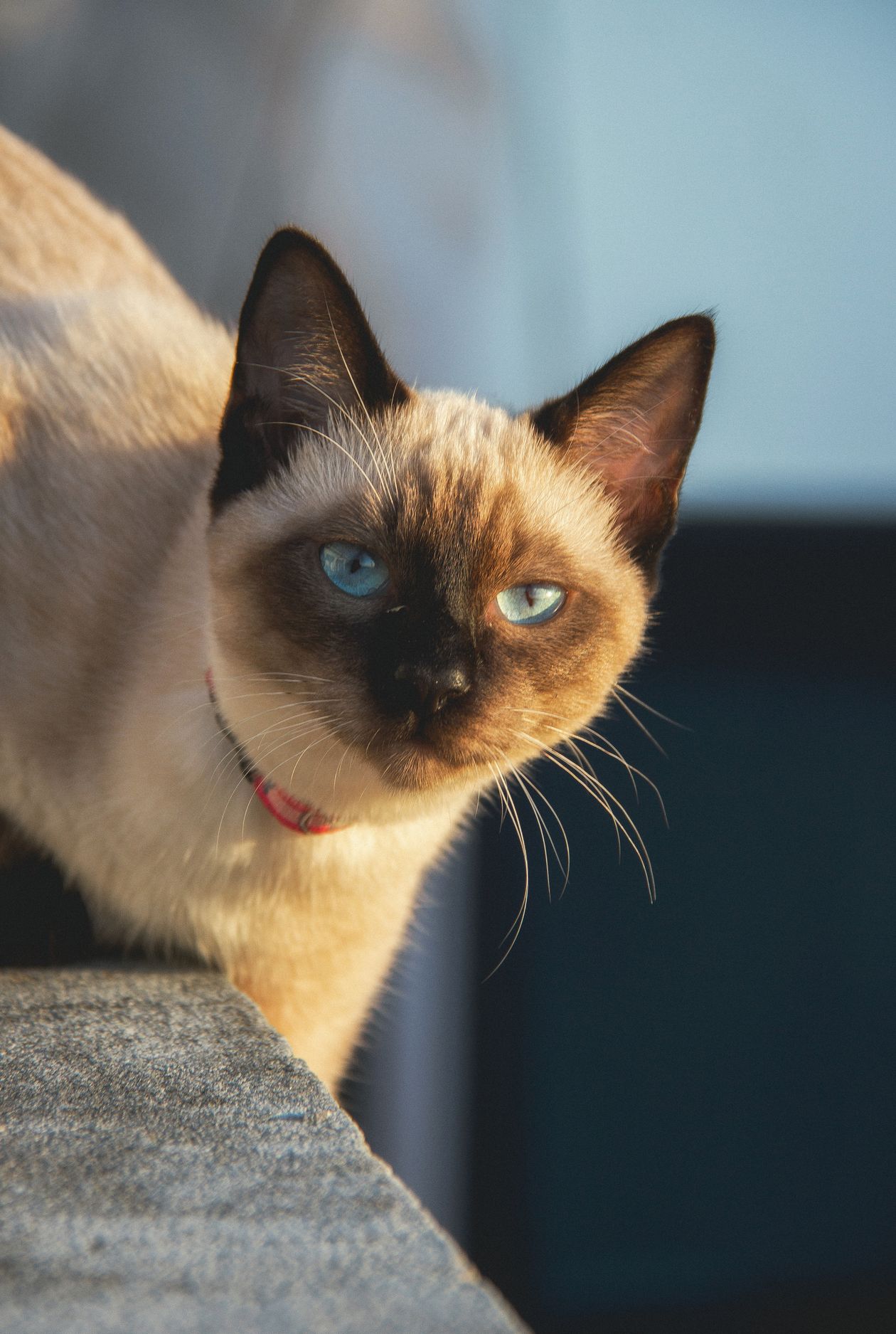
Why declawing is not on the menu
Declawing is widely misunderstood as a nail procedure. It is the surgical amputation of the last bone of each toe, the bone the claw grows from, comparable to removing a human fingertip at the last joint. It can leave cats with chronic paw pain, litter box avoidance, because digging hurts, and a greater tendency to bite, because the first line of defense is gone. It is banned or restricted in a number of states and cities and many veterinary groups now oppose it for healthy cats. Reputable groomers do not offer it and most will happily talk you through the alternatives, because between trims, caps, and well-placed scratching posts, the scratching problem has several solutions that do not involve surgery.
The scratching post still matters
No claw management plan works without a legal place to scratch. Cats scratch to maintain their claws, stretch their backs, and mark territory, and they will do it somewhere. The posts that succeed are tall or long enough for a full stretch, stable enough not to wobble, and located where the cat already wants to scratch, which is usually beside the sofa arm it has been using, not in a distant corner chosen for human convenience. Put the post at the scene of the crime, protect the furniture with trims or caps in the meantime, and the habit usually relocates within a few weeks.
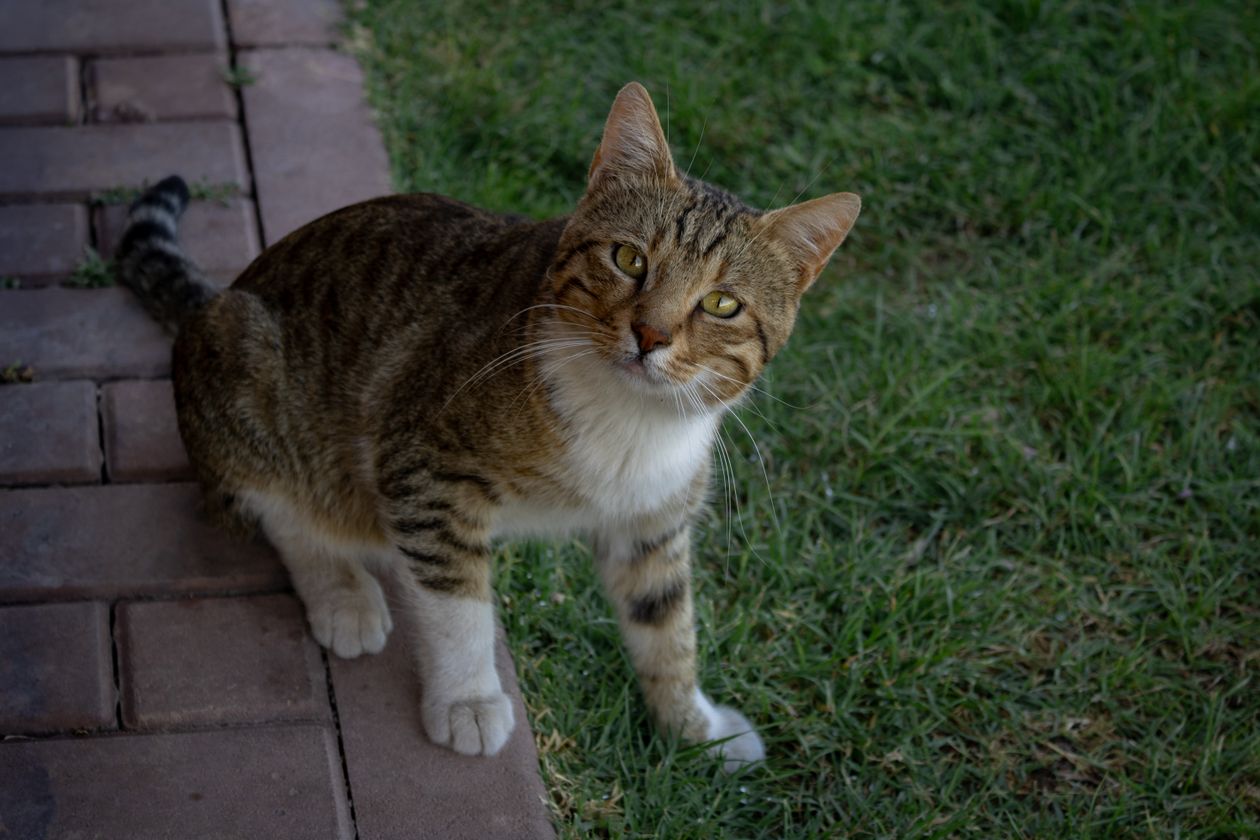
Common questions
How often do a cat's nails need trimming?
Every two to four weeks for most indoor cats. Senior cats should have their claws checked monthly, because thickened claws on older cats can curve into the paw pad quietly. If you can hear your cat's claws clicking on hard floors, they are due.
Do soft paw caps hurt the cat or stop it from scratching?
No. The caps are glued to the claw itself, not the skin, and cats can still extend, retract, and use their claws for scratching and climbing. The caps simply make the end blunt, and they shed off naturally over four to six weeks.
Can a groomer trim the nails of a cat who hates it?
Usually, yes. Cat groomers work in short, efficient sessions with handling designed for cats, and nail trims are one of the quickest services there is. For the rare cat who cannot tolerate it awake, that is a conversation for your veterinarian, not more force.
Photos in this guide are representative stock images.
← All guides from Feline Fabulous← Back to Feline Fabulous